

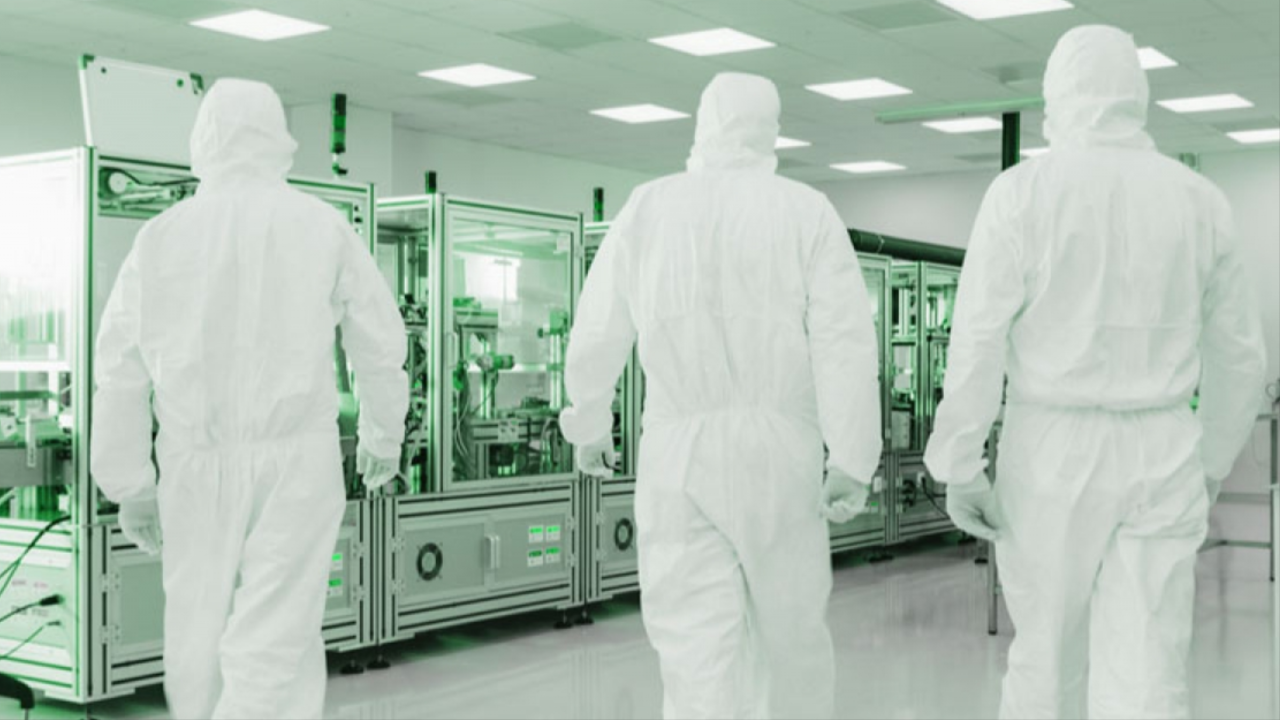
Some sectors maintain a high safety environment, especially pharmaceutical, biotechnology, and medical device manufacturing and use appropriate, cleanroom clothing to keep the environment safe and hygienic. They may look for a professional firm or supplier that provides high-quality and durable uniforms. Cleanroom uniform program – Prudential Overall Supply is the best way to get such attire to keep the environment safe and free from contamination. The article focuses on cleanroom uniforms, discussing their importance, the different kinds of cleanroom uniforms that are available, and the proper way to wear them to keep an environment clean.
- Control Infection: The main source of contamination in a cleanroom is people. Wearing cleanroom clothing is one of the most important ways to keep these restricted surroundings from being contaminated.
- Protection and Easing: Cleanroom uniforms not only prevent contamination from spreading, but they also provide employees with protection and convenience. Because these uniforms are composed of materials that are both lightweight and durable, workers may work comfortably throughout the day without catching any impurities.
Cleanroom uniform types include:
Disposable vs. Reusable: The second tactic that visitors encounter once they enter the cleanroom is the choice between disposable and non-disposable, or cost-effective and reusable cleanroom workwear. Every category has advantages and disadvantages.
Material and Composition:
- Disposable Uniforms: These typically include a non-woven polypropylene layer and a polyethene film. Their structure is preserved throughout storage because they are only ever mended once by gamma irradiation in relation to water.
- Reusable Uniforms: These uniforms, which usually consist of woven polyester, are sterilised using gamma irradiation or autoclaving numerous times after being cleaned in ionised mist. Repeated sterilisation can age the cloth over time, reducing its ability to filter bacteria.
Levels of protection:
- Disposable Uniforms: Offer protection for TYPE 5 and TYPE 6. TYPE 5 and 6 chemicals are sprayed sparingly to prevent solid particles from penetrating. To prevent hair, skin flakes, and other particles from escaping into the clean room, a robust barrier is established.
- Reusable Uniforms: Without them, the filtration efficacy against bacteria is less than 70%, and washing might further reduce this. Cosmetic errors have led to unintentional bias on the uniform, making it more difficult to wear in areas where cytotoxic chemical spills are common.
How to wear clothing to keep it sterile:
Aseptic donning is a helpful technique for making efficient use of clean-room uniforms inside the room’s boundaries. Because it stops contaminants from being injected, a proper approach is crucial during the gowning process.
Steps for Aseptic Donning
- Preparation: Wash your hands and apply alcohol gel before putting on your uniform.
- Gowning Order: Follow a specific gowning protocol, which typically entails handling a bouffant head covering or hood first, then donning a face mask, a cleanroom coat, and gloves.
- Reduce Contact: To reduce the chance of contamination, avoid allowing any touch with the cleanroom uniform’s outside. Instead, it is necessary to wear the uniform on the right side inwards and to avoid the outside.
Aseptic donning benefits
- Reduces the Risk of Cross-contamination: Proper donning procedures will ensure that occupants have minimal touch with the outside of the garment, reducing the possibility of pollutants entering a cleanroom.
- Enhanced Protection: Strict donning measures are used to protect the product and the cleanroom area.
- Promotes Regulatory Adherence: Complying with legal regulations, such as EU GMP Annexe 1, which deals with risk management and cross-contamination control, help in achieving compliance.
Cleanroom uniforms are really important. It addresses every facet, ranging from selecting the right kind of workwear to proper aseptic wearing, all in an effort to promote hygiene and prevent dangerous strains.